
Video content has become one of the most powerful ways for businesses to communicate with customers, employees, and partners. Whether a company wants to launch a new product, explain a service, train employees, or improve brand awareness, videos help deliver messages in an engaging and memorable way.
This How to Plan High-Impact Video Production for Corporate Brands (2026 Guide) explains every step of planning a successful corporate video. A well-planned production saves time, reduces mistakes, and creates videos that achieve real business goals.
Why Corporate Video Production Matters in 2026
Businesses today compete for attention across websites, social media, presentations, and digital marketing campaigns. People prefer watching short and informative videos instead of reading long blocks of text.
A professionally planned corporate video can:
Increase customer engagement
Build trust and credibility
Improve product understanding
Generate more business inquiries
Strengthen company identity
Support employee training
Increase social media reach
Learning How to Plan High-Impact Video Production for Corporate Brands (2026 Guide) helps businesses create videos that deliver measurable results instead of simply looking attractive.
Define the Purpose Before Production

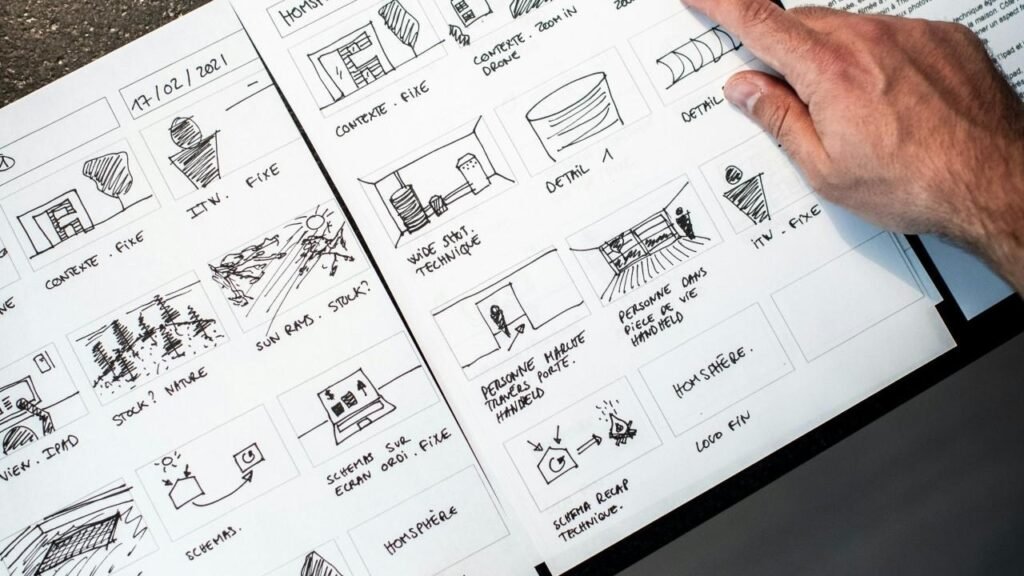
Every successful project begins with a clear objective.
Ask yourself:
What is the purpose of the video?
Who is the target audience?
What action should viewers take?
Where will the video be published?
Some common goals include:
Brand awareness
Product promotion
Customer testimonials
Recruitment
Internal communication
Event highlights
Educational content
A clear objective guides every production decision.
Know Your Target Audience
Understanding your audience is one of the most important parts of How to Plan High-Impact Video Production for Corporate Brands (2026 Guide).
Think about:
Age group
Industry
Interests
Problems they face
Preferred platforms
Viewing habits
When you know your audience, you can create content that feels relevant and valuable.
Create a Strong Video Concept
Instead of jumping directly into filming, develop a creative concept.
Your concept should answer:
What story are you telling?
What emotions should viewers feel?
What message should they remember?
Simple storytelling often performs better than overly complicated ideas.
A good concept keeps viewers interested from beginning to end.
Write a Clear Script
A strong script is the foundation of every successful corporate video.
Keep your script:
Easy to understand
Short and direct
Customer-focused
Natural sounding
Free from unnecessary technical language
A well-written script also makes filming faster and editing easier.
Build a Storyboard
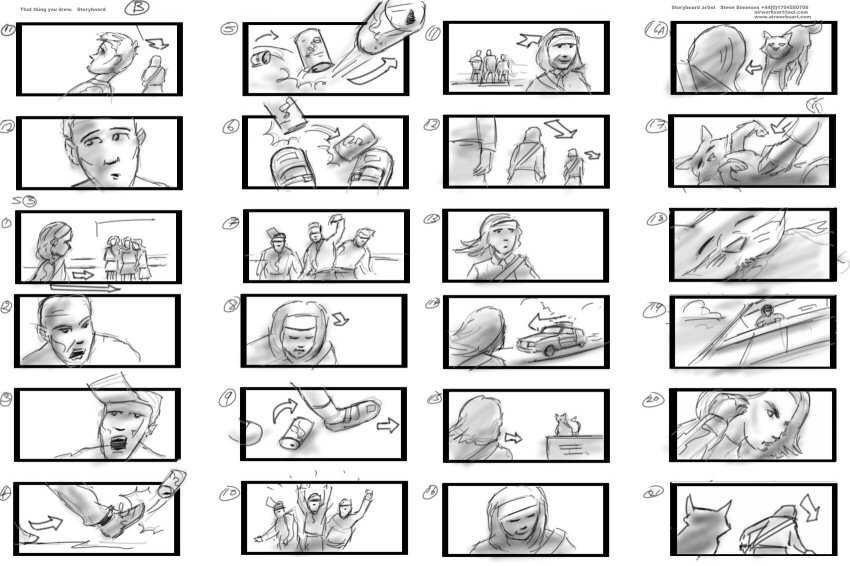
A storyboard provides a visual plan before filming starts.
It helps determine:
Camera angles
Scene order
Graphics placement
Animations
Text overlays
Transitions
Storyboards reduce confusion during production and improve communication between team members.
Plan the Production Schedule
Every successful video follows a proper timeline.
Typical production stages include:
Pre-Production
Research
Scriptwriting
Storyboarding
Location planning
Equipment preparation
Talent selection
Production
Camera setup
Lighting
Audio recording
Multiple takes
Interviews
B-roll footage
Post-Production
Editing
Color correction
Motion graphics
Sound mixing
Background music
Final review
Following these stages makes How to Plan High-Impact Video Production for Corporate Brands (2026 Guide) much more effective.
Choose the Right Filming Location
Your location should match your business image.
Popular corporate locations include:
Office spaces
Manufacturing facilities
Meeting rooms
Retail stores
Outdoor business environments
Event venues
Always check:
Lighting
Background noise
Available space
Power supply
Camera movement area
Focus on High-Quality Audio
Many businesses invest heavily in cameras but ignore sound quality.
Poor audio can reduce viewer engagement.
Use:
Professional microphones
Quiet filming environments
Audio monitoring
Voice-over recording when necessary
Clear sound often matters more than expensive camera equipment.
Use Professional Lighting
Lighting affects how professional your video appears.
Good lighting helps:
Improve image quality
Highlight products
Enhance facial expressions
Reduce unwanted shadows
Maintain consistent visuals
Natural light can work well, but controlled lighting provides more reliable results.
Capture Different Camera Angles
Filming only one angle makes videos feel repetitive.
Record:
Wide shots
Close-ups
Medium shots
Overhead shots
Product details
Workplace activities
Additional footage gives editors more creative flexibility.
Include Branding Naturally
Your corporate identity should appear throughout the video without becoming distracting.
Branding may include:
Company colors
Logo placement
Employee uniforms
Office interiors
Presentation templates
Motion graphics
Subtle branding creates a professional impression.
Optimize Videos for Different Platforms
Today’s businesses publish videos across multiple channels.
Create versions suitable for:
Websites
Social media
Email campaigns
Presentations
Digital advertisements
Internal communication
Different platforms often require different video lengths and aspect ratios.
Add Professional Editing
Editing transforms raw footage into an engaging story.
Professional editing includes:
Scene trimming
Smooth transitions
Motion graphics
Text animations
Background music
Color grading
Audio enhancement
Good editing keeps viewers interested until the final second.
Measure Video Performance
Publishing is only the beginning.
Track important metrics such as:
Views
Watch time
Audience retention
Click-through rate
Engagement
Leads generated
Conversion rate
These insights help improve future productions.
Common Mistakes to Avoid
Many businesses make similar production mistakes.
Avoid:
No clear objective
Weak scripting
Poor audio quality
Low lighting
Overly long videos
Ignoring target audience
Skipping planning
No call-to-action
Avoiding these mistakes greatly improves production quality.
Corporate Video Trends in 2026
Video production continues evolving every year.
Popular trends include:
AI-assisted editing
Short-form business videos
Interactive corporate presentations
Vertical video formats
Behind-the-scenes content
Employee storytelling
Animated explainers
Personalised video communication
Businesses adopting these trends can create more engaging content.
Conclusion
Planning is the key to producing successful corporate videos. From setting clear goals and understanding your audience to scripting, filming, editing, and measuring performance, every stage plays an important role. Following this How to Plan High-Impact Video Production for Corporate Brands (2026 Guide) helps businesses create videos that communicate clearly, engage viewers, and achieve marketing objectives.
If you’re looking for professional corporate video solutions, Framexentertainment can help transform creative ideas into impactful visual stories that connect with audiences and support long-term business growth.
Frequently Asked Questions (FAQs)
Why is planning important before corporate video production?
Planning helps define goals, organize production, reduce mistakes, and create videos that deliver better business results.
What is the first step in corporate video production?
The first step is identifying the video’s objective and understanding the target audience.
How long should a corporate video be?
Most corporate videos perform well when they are between one and three minutes, depending on the purpose and platform.
What equipment is needed for corporate video production?
Basic equipment includes a professional camera, lighting setup, microphones, tripod, and video editing software.
How can businesses improve engagement with corporate videos?
Use clear storytelling, high-quality visuals, strong audio, concise messaging, and a clear call-to-action.
What are the latest corporate video production trends in 2026?
Popular trends include AI-assisted editing, vertical videos, short-form content, animated explainers, employee stories, and personalized business videos.