
In today’s fast-paced digital world, online stores are always searching for new ways to draw in customers and boost sales. One of the biggest topics in digital marketing is the comparison between user-generated content (UGC) ads and traditional ads. Although traditional ads have been around for a long time and have worked well, UGC ads have become more popular because they feel more real and engaging.
Understanding the difference between UGC Ads vs Traditional Ads can help companies choose the right strategy for their target audience, budget, and goals.
In this article, we will look at both types of advertising, compare their pros and cons, and see which one is better for online stores.
Understanding UGC Ads vs Traditional Ads: What Works Better for Ecommerce?
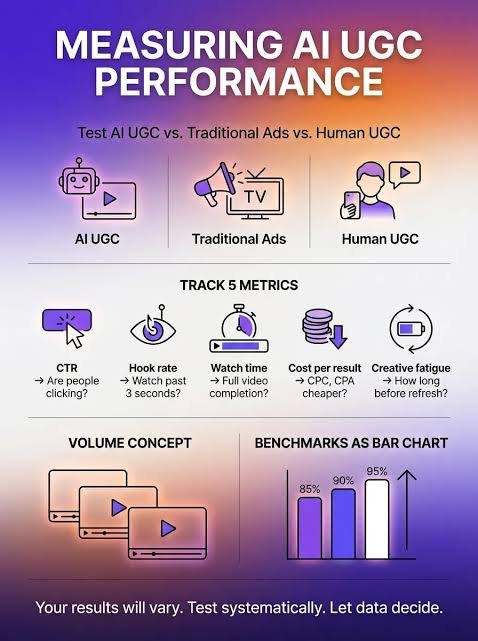
To start comparing UGC Ads vs Traditional Ads, it’s important to define each type.
What Are UGC Ads?
UGC ads use content made by real customers, creators, or users.
This can include things like product reviews, testimonials, unboxing videos, customer experiences, social media posts, and demo videos.UGC ads focus on being truthful and helping people feel connected to the brand.
What Are Traditional Ads?
Traditional ads are professionally created by companies or ad agencies.
They often include things like TV and radio ads, newspaper ads, professional videos, banners, and print campaigns. These ads focus on high-quality visuals, clear messages, and controlled brand messaging.
Why Do Businesses Compare UGC vs Traditional Ads?

The discussion around UGC Ads vs Traditional Ads has grown because people’s buying habits have changed.
Today’s customers often trust recommendations from real people more than heavily produced ads. Companies want to know which type of ad leads to more engagement, higher sales, more trust, better returns, and greater brand recognition.
Authenticity: The Big Difference
When comparing UGC and traditional ads, authenticity is a key factor.
UGC ads show real people sharing real experiences.This makes customers feel like they can trust the ad because it feels honest and relatable.Traditional ads are usually wellmade and scripted, which can make them look more professional, but some people might see them as too salesy or less trustworthy.For businesses targeting younger audiences, authenticity often plays a big role in their buying decisions.
Customer Trust in UGC vs Traditional Ads
Trust is important for sales.
In general, UGC ads are better at building trust.They offer social proof by showing real customers talking about products.This helps reduce doubts and encourages purchases.Traditional ads build trust by showing professionalism, reputation, and consistent branding.Established brands often use traditional ads to solidify their market presence.However, studies and trends suggest that people are increasingly trusting peer recommendations over direct brand messages.
Engagement Rates: UGC vs Traditional Advertising
Another key factor is how well each type of ad engages the audience.
UGC ads often get more engagement because they feel more natural, less pushy, and encourage interaction.They also create emotional connections and work well on social media.Traditional ads usually get less engagement since people recognize them as direct ads.For companies using social media marketing, higher engagement often leads to more sales.
Production Costs Comparison
When considering the costs, UGC ads are usually cheaper to produce.
They can be created faster, require less equipment, are easier to test, and can be scaled up.Traditional ads are more expensive but offer highquality production, more control over the creative process, consistent branding, and professional presentation.They also have longterm brand value.For many online stores and small businesses, UGC ads offer a more affordable way to start advertising.
Conversion Performance in Ecommerce
One of the main points in the UGC vs traditional ad debate is conversion rates.
UGC ads often lead to better conversions because they show real product use, build trust quickly, reduce hesitation, offer social proof, and create emotional connections.Traditional ads can still be effective, especially for highend products, luxury brands, and largescale brand awareness.The effectiveness depends on the target audience and the type of product.
Brand Awareness and LongTerm Impact
In terms of brand recognition, traditional advertising still has a big advantage.
Traditional ads help businesses build authority, create memorable campaigns, deliver consistent messages, build a premium brand image, and reach a wide audience.UGC advertising is great at building relationships and driving immediate action, while traditional ads are still important for longterm branding strategies.
Which Industries Benefit Most from UGC Ads?
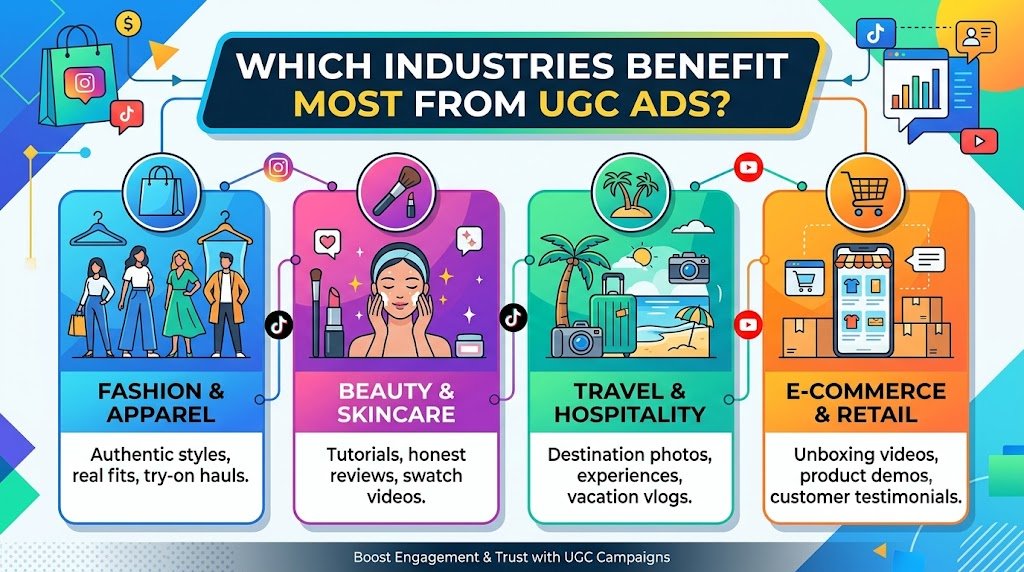
Several ecommerce sectors have seen great results from using UGC ads:
Fashion and Apparel
Beauty and Skincare
Consumer Electronics
Fitness Products
Home Decor
Food and Beverages
Lifestyle Products
These industries benefit because customers prefer to see real experiences before buying.
Which Industries Benefit Most from Traditional Ads?
Traditional advertising continues to work well in these areas:
Luxury Products
Automotive Industries
Financial Services
Healthcare Sectors
Real Estate
Corporate Services
These industries often need strong brand authority and professional presentation.
Final Verdict: UGC Ads vs Traditional Ads: What Works Better for Ecommerce?
After examining all the factors, the answer to whether UGC or traditional ads are better for ecommerce depends on the business’s goals.
If the goal is to build trust, increase engagement, improve conversions, or reduce ad costs, UGC ads often work best.If the goal is to build brand authority, reach a larger audience, create a premium brand image, or maintain consistent messaging, traditional ads remain highly effective.
The most successful online stores often use both strategies to get the best results.
Conclusion
The debate surrounding UGC Ads vs Traditional Ads does not have a single universal answer. Both advertising approaches offer unique advantages depending on business goals, audience preferences, and marketing strategies. Combining authentic user-generated content with professional brand storytelling can create a balanced and highly effective ecommerce marketing strategy. Companies like Framexentertainment understand the growing importance of blending creative storytelling with authentic consumer experiences to achieve stronger business outcomes.
Frequently Asked Questions (FAQ)
What are UGC ads?
UGC ads are ads made using content created by real customers, creators, or users who share their experiences with products or services.
Are UGC ads better than traditional ads?
UGC ads often perform better for engagement, trust, and conversions, while traditional ads are better for building brand authority and recognition.
Why do ecommerce brands use UGC ads?
Ecommerce brands use UGC ads because they build authenticity, generate more trust, and often lead to higher conversion rates.
Are traditional ads still effective?
Yes, traditional ads are still effective for building brand awareness, for premium products, and for reaching a large audience.
Should ecommerce businesses use both UGC and traditional ads?
Yes, mixing both types of advertising often leads to the most effective marketing approach by combining authenticity with professional brand messaging.