
Right now, online spaces push companies to find fresh paths to reach people. Hiring everyday creators to make ad material stands out as a strong move. Real folks produce what we call UGC – these feel honest, closer than polished commercials. Trust grows easier when faces aren’t actors but neighbors.
Start thinking differently about ads. Real people sharing real moments spark more interest than polished pitches ever could. Try swapping studio shots for everyday voices. Suddenly, customers pay closer attention. Watch reactions shift when faces feel familiar. Move past traditional campaigns. Let actual users tell your story instead. See how trust builds without forced messaging. Notice clicks grow through genuine scenes. Shift budgets toward those who already use what you make. Let their words do the work.
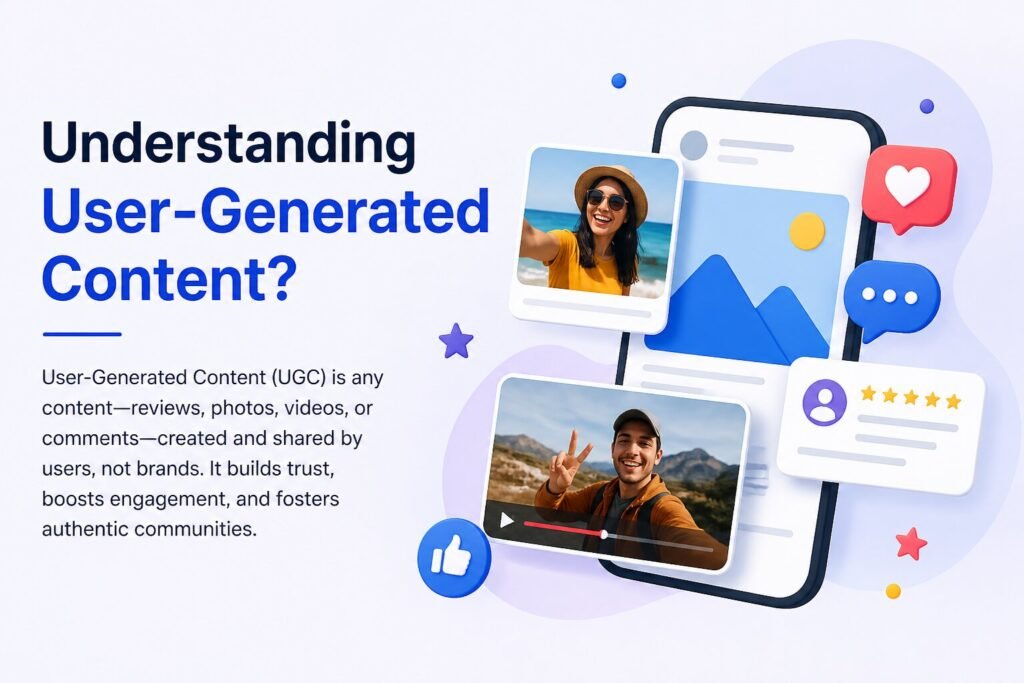
Understanding User-Generated Content?
Everyday folks make UGC – short for User-Generated Content. Think snapshots, clips, write-ups, or personal stories rather than studio-grade material. Regular people shape it, not ad agencies or film crews. What shows up comes straight from real-life experience, bypassing polished edits.
Most people scroll past shiny ads without stopping. Yet a post from someone who actually uses a product? That catches the eye. Real moments beat studio lighting every time. Platforms notice too – raw clips often travel farther than slick reels. The faces behind products build trust that studios cannot fake. A quiet voice sometimes shouts louder online.
Brands Using UGC Creators for Ads
Some companies now pick real people to make ad content rather than sticking with polished studio campaigns. It feels more genuine when customers see someone like them using a product. Often, these everyday voices connect better than actors reading scripts. A friend’s recommendation beats a billboard any day. Real moments shared online tend to stick in people’s minds longer. Viewers pause for stories that look unscripted. Polished doesn’t always mean persuasive. Faces you recognize build trust faster. Not every brand needs glossy filters to get noticed.
1. Builds Trust
Most folks believe everyday people more than company messages. Hiring regular creators means viewers see feedback that sounds true, not lines read from a screen.
2. Higher Engagement
People tend to interact more when they come across posts made by regular users. This happens since such content seems familiar. When companies work with everyday creators for their campaigns, responses typically increase. Relatability drives attention without trying too hard.
3. Cost-Effective
Spending loads on polished ads? Try something different. Hiring everyday creators means real-looking videos without draining your wallet. Picture this: more clips, less cash. These folks shoot stuff on phones – no fancy studios needed. Suddenly, the budget stretches further. Content feels honest because it is. No scripts pretending to be spontaneous. Real people. Real scenes. Same message. Lower price tag.
4. Better Conversion Rates
Real people sharing experiences feel more genuine than polished commercials. That’s what drives engagement – authenticity stands out. Because of this shift, companies increasingly choose everyday voices over traditional influencers when building campaigns.
UGC Ad Types To Make
Start by thinking about video clips made by real users. Picture short reviews popping up on social feeds. Try imagining everyday moments captured on phones. Consider stories shared through photos online. Look at how people talk about products they like. Think beyond polished commercials. See value in honest reactions caught live. Explore posts that feel unscripted. Notice comments turning into content ideas. Reflect on experiences shown without staging
Product reviews
Unboxing videos
Tutorials or how-to videos
Before-and-after transformations
Testimonials
Day-in-the-life content
Stories like these let companies reach people on a deeper level, while forming real bonds over time.
Steps to Find People Who Make Ad Content
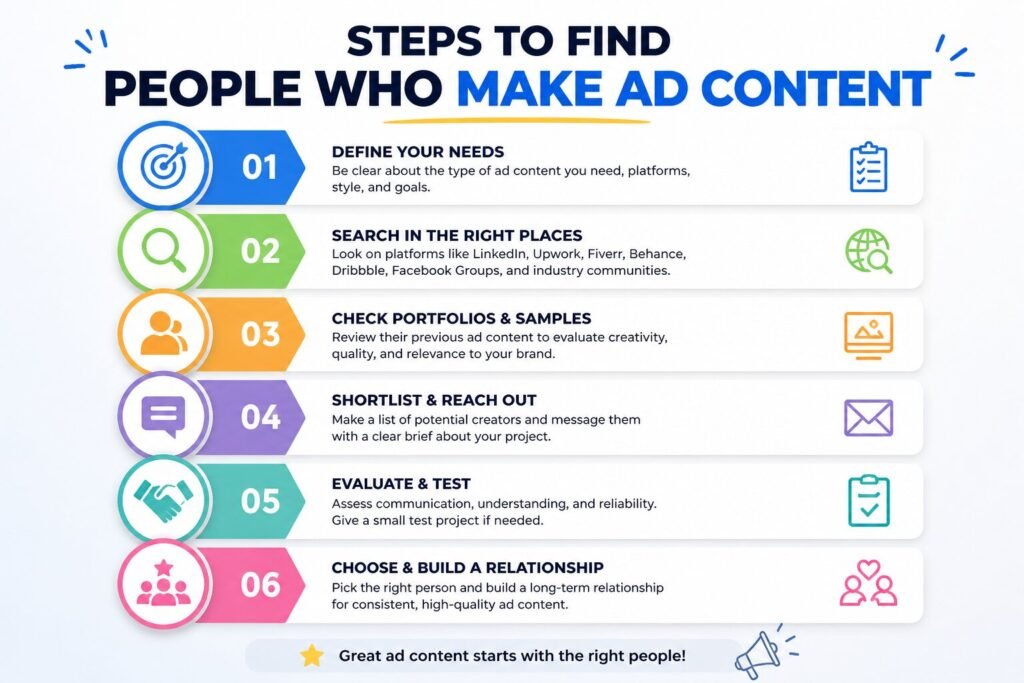
If you’re new to this strategy, here’s a simple process to follow when you want to hire UGC creators for ads:
1. Define Your Goal
Start by picking a goal: maybe it’s getting your name out there, moving product, or sparking conversation. That choice shapes who you work with.
2. Choose Creators That Fit
Start by spotting those whose followers look just like your ideal customers. Matching up on attitude and voice matters – your brand needs to feel at home. What do they say and how they say it? That should echo what you stand for. Instead of forcing a fit, find someone already speaking a similar language. Chemistry shows in small moments – the way humor lands, or seriousness holds weight. When their world feels familiar to yours, that connection stays real.
3. Give Clear Briefs
Just because user-generated content feels spontaneous does not mean rules have no place. Clear direction helps shape what comes in, keeping things close to what you had in mind.
4. Focus on Authenticity
Too much control kills authenticity. Hiring UGC creators works because they make things feel genuine – when brands step back, that honesty stays alive.
5. Test and Optimize
Start by testing various content styles, then see which ones connect most. Learning from these results shapes smarter moves ahead.
Top Platforms for User-Generated Content Ads
When you hire UGC creators for ads, you should also know where to use this content:
Instagram Reels
YouTube Shorts
Facebook Ads
TikTok Videos
E-commerce product pages
What works in one place might flop in another, simply because vibes differ. Match your message to how people actually act where they are.
Common mistakes to avoid
Start by skipping the usual errors when bringing on UGC creators for advertisements
Choosing creators only based on followers
Over-editing the content
Ignoring audience preferences
Not tracking performance
Using the same content repeatedly
Staying real matters most when it comes to lasting impact. What works? Simple honesty over time. Freshness shows up when effort feels natural. Truth sticks better than polish ever could.
What Comes Next for User-Created Ads
More brands are looking for UGC creators to run their ad campaigns. Since people now spot polished commercials easily, they tend to trust authentic moments more than rehearsed lines.
Later on, companies building trust through real moments might catch more eyes. Because people share stories, what others create stays key across online campaigns.
Conclusion
Staying ahead today means reaching people in ways that feel genuine. Hiring UGC creators for advertisements does just that – quietly, without fanfare. Trust grows when customers see others like them speaking honestly. Engagement rises because the messages aren’t polished scripts but lived moments. Results improve simply by letting real voices lead.
Start strong by shaping your brand through real stories. When it comes to genuine content, teaming up with specialists such as Framexentertainment opens doors to UGC that hits home. Instead of flashy tricks, think deeper links with people who care. Real moments build trust – those matter most. Through thoughtful creation, messages land louder without shouting.
Frequently Asked Questions (FAQs)
What does it mean to hire UGC creators for ads?
Working alongside people who make real, down-to-earth posts helps share your brand naturally. Their stories feel familiar, drawing others in without forced effort.
Why is UGC better than traditional ads?
Real people sharing experiences make content seem genuine. That kind of honesty pulls attention better than polished ads. Trust grows quietly when others speak without a script.
Places To Use UGC Ads?
Try these across social sites, pop up on web pages, while showing up in digital advertisements.
Do UGC creators need a large following?
What matters most? Real substance behind what’s shared. Numbers mean little without honesty in every post. Truth stands out more than stats ever could.
Tracking UGC Ad Results?
Success shows up in numbers – watch how people interact, where they tap, what leads them to act. Each step tells part of the story.