
User-generated content, commonly known as UGC, has become one of the most effective marketing tools for businesses worldwide. Brands today rely heavily on authentic content created by real people to build trust and connect with their audiences. This UGC Creators Management Guide for Brands (2026) will help businesses understand how to manage creators efficiently and achieve better campaign results.
As the creator economy continues to grow, brands need structured systems to identify, communicate with, manage, and evaluate UGC creators. This UGC Creators Management Guide for Brands provides practical strategies that businesses can implement to improve their creator collaborations.
What is UGC Creator Management?
UGC creator management refers to the process of finding, onboarding, organizing, communicating with, and evaluating content creators who produce user-generated content for marketing campaigns.
An effective creator management system helps brands:
Build long-term creator relationships
Maintain consistent content quality
Improve campaign performance
Save time and resources
Scale marketing efforts efficiently
The importance of proper creator management has increased significantly, making the UGC Creators Management Guide for Brands (2026) an essential resource for modern businesses.

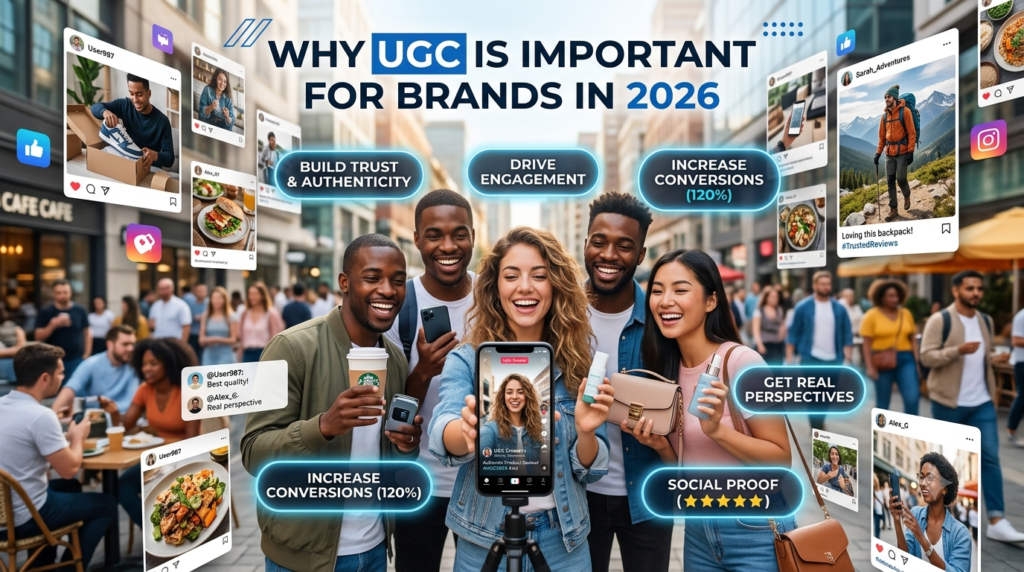
Why UGC Is Important for Brands in 2026
Consumers trust authentic experiences more than traditional advertising. UGC content allows brands to showcase real customer experiences, making marketing campaigns more relatable and trustworthy.
Benefits of UGC include:
Increased customer trust
Higher engagement rates
Better conversion rates
Lower content production costs
Improved social proof
Greater audience connection
This is why understanding the UGC Creators Management Guide for Brands (2026) has become essential for companies across industries.
How to Find the Right UGC Creators
Finding suitable creators is the foundation of successful UGC campaigns. Brands should focus on creators who align with their target audience, values, and marketing objectives.
Consider the following factors:
Audience Alignment
Ensure the creator’s audience matches your target market demographics.
Content Quality
Evaluate the creator’s storytelling abilities, creativity, and visual quality.
Engagement Rate
Analyze how audiences interact with the creator’s content.
Authenticity
Choose creators who produce genuine and relatable content.
Consistency
Look for creators who regularly publish high-quality content.
Following these steps within the UGC Creators Management Guide for Brands (2026) helps businesses build successful creator partnerships.
Building an Effective Creator Onboarding Process
A structured onboarding process ensures smooth collaboration between brands and creators.
An effective onboarding system should include:
Campaign objectives
Brand guidelines
Content requirements
Submission deadlines
Communication channels
Payment terms
Usage rights agreements
Clear expectations reduce misunderstandings and improve campaign performance. The UGC Creators Management Guide for Brands (2026) emphasizes the importance of transparent onboarding procedures.
Managing Communication with UGC Creators
Communication plays a major role in creator management success. Brands should maintain professional and consistent communication throughout campaigns.
Best practices include:
Setting clear expectations
Providing detailed briefs
Offering constructive feedback
Responding promptly
Establishing communication schedules
Maintaining respectful relationships
Strong communication builds trust and encourages creators to deliver better content.
Creating Effective Content Briefs
A well-written content brief helps creators understand campaign expectations while maintaining creative freedom.
A content brief should include:
Campaign Goals
Explain the objectives and desired outcomes.
Target Audience
Describe the intended customer profile.
Key Messages
Highlight important talking points.
Content Style
Specify preferred formats and creative direction.
Technical Requirements
Include video dimensions, duration, and submission formats.
Deadlines
Clearly state submission timelines.
The UGC Creators Management Guide for Brands (2026) recommends balancing creative flexibility with clear instructions.
Tracking UGC Campaign Performance
Performance tracking helps brands measure campaign effectiveness and optimize future collaborations.
Important metrics include:
Reach
Impressions
Engagement rate
Click-through rate
Conversion rate
Return on investment
Audience sentiment
Content shares
Using analytics helps brands identify successful creators and improve campaign strategies.
Building Long-Term Relationships with UGC Creators
Successful brands focus on developing long-term creator partnerships rather than one-time collaborations.
Benefits of long-term relationships include:
Improved content quality
Greater brand understanding
Faster campaign execution
Increased creator loyalty
Better audience trust
Higher campaign performance
The UGC Creators Management Guide for Brands (2026) encourages businesses to treat creators as strategic partners.
Common Mistakes in UGC Creator Management
Many brands make avoidable mistakes when managing creators.
Some common mistakes include:
Providing unclear instructions
Choosing creators based only on follower count
Ignoring communication
Offering excessive creative restrictions
Failing to track performance
Neglecting relationship building
Missing deadlines
Not establishing clear expectations
Avoiding these mistakes can significantly improve campaign outcomes.
Future Trends in UGC Creator Management
The creator economy continues to evolve rapidly. Several trends are expected to shape creator management in 2026:
AI-Assisted Creator Discovery
Artificial intelligence tools will help brands identify ideal creators more efficiently.
Data-Driven Campaign Management
Analytics and performance tracking will become more advanced.
Micro-Creator Growth
Smaller creators with highly engaged audiences will gain importance.
Long-Term Creator Partnerships
Brands will increasingly prioritize ongoing collaborations.
Multi-Platform Content Strategies
Creators will produce content across multiple digital platforms.
Understanding these trends makes the UGC Creators Management Guide for Brands (2026) even more valuable for businesses preparing for the future.
Conclusion
Effective creator management is essential for successful user-generated content campaigns. By implementing structured processes, maintaining strong communication, tracking performance, and building long-term relationships, brands can maximize the value of creator partnerships.
As the creator economy continues to expand, businesses that adopt the strategies outlined in this UGC Creators Management Guide for Brands (2026) will be better positioned for long-term success. Companies like Framexentertainment recognize the growing importance of professional creator management strategies in modern digital marketing.
Frequently Asked Questions (FAQs)
What is UGC creator management?
UGC creator management involves finding, organizing, communicating with, and evaluating creators who produce user-generated content for brands.
Why is UGC important for brands in 2026?
UGC helps brands build trust, increase engagement, improve conversions, and create authentic marketing campaigns.
How do brands choose the right UGC creators?
Brands should evaluate audience alignment, engagement, content quality, authenticity, and consistency.
What are the benefits of long-term creator partnerships?
Long-term partnerships improve content quality, brand understanding, efficiency, and campaign performance.
What metrics should brands track in UGC campaigns?
Important metrics include engagement, impressions, reach, conversions, click-through rates, and return on investment.
What is the future of UGC creator management?
Future trends include AI-powered creator discovery, data-driven management, micro-creators, and multi-platform content strategies.