
The world of digital content has transformed dramatically over the years, and 3D animation has become one of the most powerful storytelling tools. Whether it’s used in films, advertisements, games, education, or marketing campaigns, 3D animation helps bring creative ideas to life in a visually engaging way. Understanding the 3D Animation Video Creation can help businesses, creators, and marketers appreciate the amount of creativity and technical expertise involved in producing stunning animated content.
In this guide, we will explore the 3D Animation Video Creation Process Step by Step: Crafting Visual Marvels, covering every stage involved in creating high-quality 3D animated videos.
What is 3D Animation?
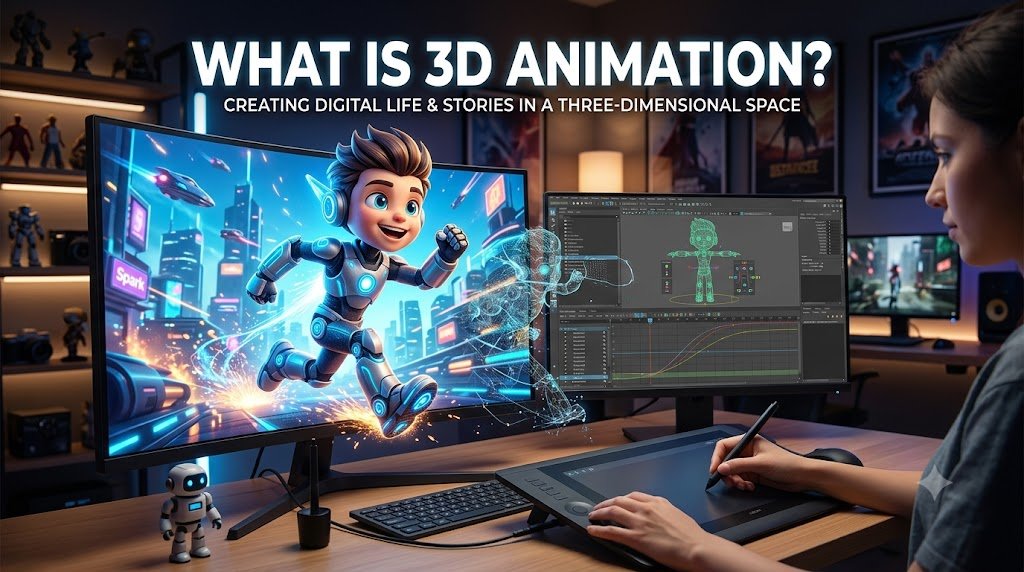
3D animation is the process of making moving images in a three-dimensional digital space. Unlike traditional animation, 3D animation gives the look of depth, realistic movement, and an engaging visual experience. It is used in many fields like movies, advertisements, building design, education, healthcare, and video games.
The 3D Animation Video Creation Process Step by Step: Crafting Visual Marvels involves artistic creativity, technical know-how, storytelling, and advanced tools to make animated videos that look amazing.
Why It’s Important to Understand the 3D Animation Process
Understanding the 3D Animation Video Creation Process Step by Step: Crafting Visual Marvels helps businesses and creators in several ways:
Plan projects effectively
Use budgets and resources wisely
Communicate better with the animation team
Set realistic timeframes
Get better creative results
A well-organised process helps complete projects smoothly while keeping the visuals high-quality.
Step 1: Concept Development and Idea Creation
The first stage of the 3D Animation Video Creation Process Step by Step: Crafting Visual Marvels is concept development.
In this phase, creators figure out:
The purpose of the project
Who the audience is
The story
The look and feel
The key messages
The length of the animation
This stage sets the base for the whole project.
A strong concept helps keep the animation focused and effective throughout the process.
Important Tasks in Concept Development:
Coming up with ideas
Researching for inspiration
Deciding on a creative direction
Making mood boards
Identifying visual themes
Step 2: Script Writing
After finalising the concept, the next step is writing the script.
The script includes:
Dialogue
Description of scenes
Actions of characters
Narration
Timing
Emotional flow
A good script serves as a guide for the animation team and makes sure the project stays consistent throughout.
Step 3: Storyboarding
Storyboarding turns the script into a series of visual sketches.
In the 3D Animation Video Creation Process Step by Step: Crafting Visual Marvels, storyboards help visualise:
Camera angles
Character positions
Scene transitions
Movement sequences
Key storytelling elements
Storyboards help creators spot problems early on, before they invest a lot of time into building the animation.
Benefits of Storyboarding:
Saves money on production
Helps the team communicate better
Makes the story clearer
Reduces the need for changes
Makes the visual flow easier to understand
Step 4: Designing Characters and Environments
Once the storyboard is approved, the design phase begins.
This stage includes creating:
Character designs
Facial expressions
Clothing details
Props
Background environments
Object designs
The visual style chosen here affects the look of the final animation.
Step 5: 3D Modelling
One of the most important steps in the 3D Animation Video Creation Process Step by Step: Crafting Visual Marvels is 3D modelling.
Modelling is where artists create digital 3D objects using special software. They build:
Characters
Buildings
Vehicles
Products
Landscapes
Props
These models are made using shapes and geometric structures to create realistic or stylized visuals.
Common Modelling Techniques:
Polygon modeling
Sculpting
NURBS modeling
Procedural modeling
Step 6: Texturing and Material Creation
After modelling, artists add textures and materials to make objects look real.
Texturing includes:
Surface colors
Patterns
Reflections
Roughness
Transparency
Fine details
For example, a character’s skin, clothes, metal parts, or wooden furniture each need unique textures to appear lifelike.
This step greatly affects how appealing the animation looks.
Step 7: Rigging
Rigging is a key part of the 3D Animation Video Creation Process Step by Step: Crafting Visual Marvels.
Rigging means creating a digital skeleton inside the 3D model. This allows animators to control:
Body movements
Facial expressions
Hand gestures
Eye movements
Character poses
Without good rigging, characters can’t move naturally.
Step 8: Animation
This is where the static models come to life.
Animators create movement by defining:
Character actions
Facial expressions
Camera movement
Object interactions
Physical effects
This stage needs a mix of creativity, knowledge of physics, and technical skills.
Different animation techniques include keyframe animation, motion capture, procedural animation, and physics-based animation. This is often one of the longest parts of the process.
Step 9: Lighting Setup
Lighting is important for creating realistic and visually interesting scenes.
In the 3D Animation Video Creation Process Step by Step: Crafting Visual Marvels, lighting helps set:
Mood
Atmosphere
Realism
Focus
Depth
Different lighting styles can change how a scene looks and how viewers feel about the content.
Step 10: Rendering
Rendering is the process of turning the completed 3D scene into final images or a video.
During rendering, the computer calculates things like:
Lighting
Shadows
Textures
Reflections
Movement
Visual effects
Rendering often needs a lot of computing power and can take hours or even days, depending on the project’s complexity.
It is one of the most technically demanding parts of the process.
Step 11: Post-Production and Editing
Once rendering is done, the post-production phase begins.
This includes:
Video editing
Color correction
Visual effects
Sound design
Background music
Voice-over syncing
Final adjustments
Post-production improves the quality and makes the final product ready for sharing.
Step 12: Final Review and Delivery
The last step involves quality checks and delivering the final animation.
The team reviews:
The animation quality
Audio match
Visual consistency
Any rendering issues
Client needs
After approval, the animation is exported into the right format for sharing or using.
Challenges in 3D Animation Production
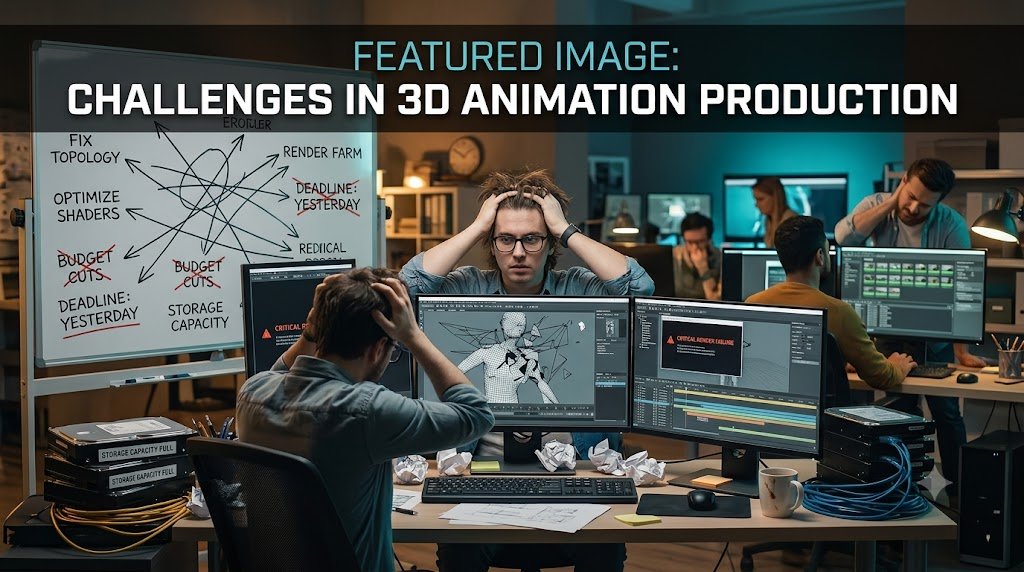
Although the process is rewarding, creators often face challenges like:
Complex workflows
Long timelines
High computing needs
Many revisions
Technical problems
Keeping the visuals consistent
Good planning and experienced teams help overcome these issues efficiently.
The Future of 3D Animation
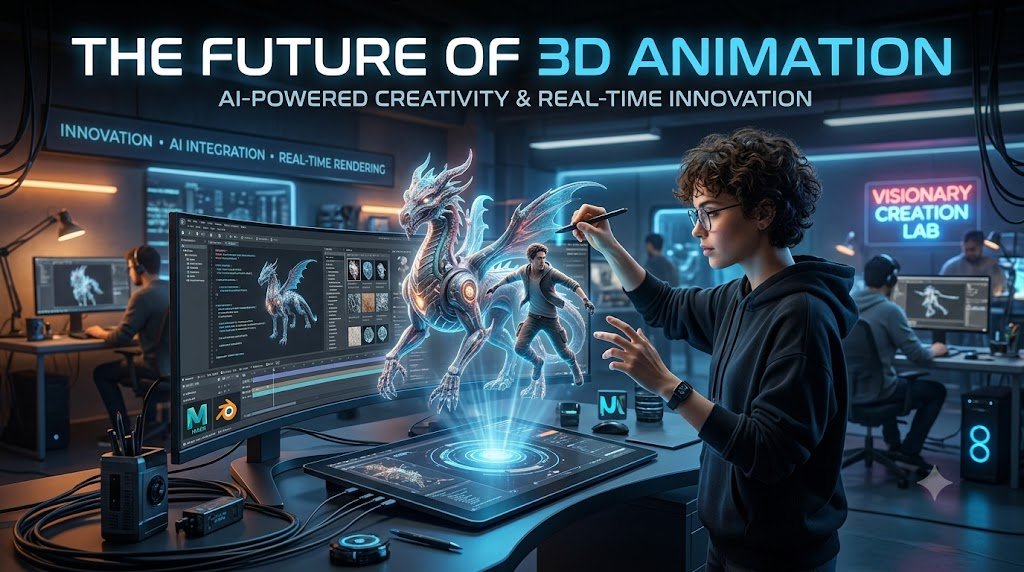
The future of 3D animation is advancing quickly with new technologies like:
Artificial intelligence
Virtual reality
Augmented reality
Real-time rendering
Better motion capture
Cloud-based production
These advances are making the 3D Animation Video Creation Process Step by Step: Crafting Visual Marvels easier, more accessible, and more visually impressive than ever.
Conclusion
Understanding the 3D Animation Video Creation Crafting Visual Marvels offers a clear view of the creativity, technology, and effort that go into making great animated content.
Each step from concept to final editing plays a big part in the success of a 3D animation project.
Whether you’re making content for entertainment, education, marketing, or business communication, using a structured process helps deliver high-quality results.
Framexentertainment understand the value of combining creativity, storytelling, and technical excellence to create powerful visual experiences.
Frequently Asked Questions (FAQ)
What is the first step in the 3D animation process?
The first step is concept development, where creators define the story, purpose, audience, and visual style.
How long does it take to create a 3D animation video?
The time depends on the project’s complexity, duration, quality, and resources.
Why is storyboarding important in 3D animation?
Storyboarding helps visualize scenes, improves planning, and reduces errors before animation begins.
What is rigging in 3D animation?
Rigging is the process of creating a digital skeleton that allows characters and objects to move realistically.
What role does rendering play in 3D animation?
Rendering turns 3D scenes into final images and videos by calculating lighting, textures, shadows, and effects.
Which industries use 3D animation?
Industries like entertainment, advertising, gaming, healthcare, architecture, education, and marketing use 3D animation.
Why is the 3D animation production process important?
A structured process helps with efficient workflow, better storytelling, quality, and project success.