
Creating an advertisement that captures attention is not just about having a good camera. It requires planning, creativity, storytelling, and the right execution. Whether you are making a TV commercial, social media advertisement, or promotional video, following the right process can make a huge difference.
In this guide, Ad Filmmaking will help you understand every stage of creating an effective advertisement. From developing a strong idea to editing the final video, these practical tips can improve the quality of your ad and help it connect with your target audience.
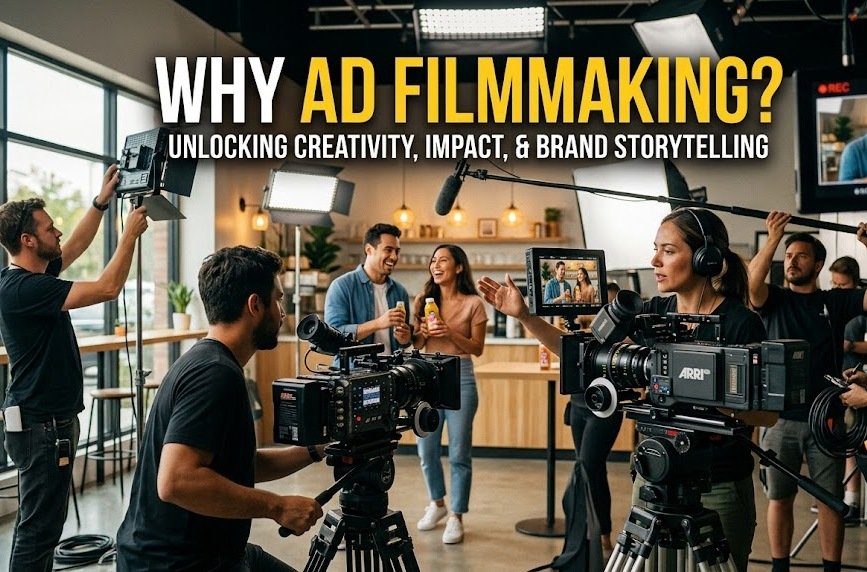
Why Ad Filmmaking ?
Every successful advertisement tells a story. People remember ads that make them laugh, inspire them, or solve a problem. Great filmmaking helps communicate your message clearly while creating an emotional connection with viewers.
When you follow Ad Filmmaking, you improve your chances of producing videos that are visually attractive, easy to understand, and memorable. Good filmmaking also increases audience engagement, builds trust, and encourages viewers to take action.
Start with a Clear Objective
Before picking up the camera, define the purpose of your advertisement.
Ask yourself:
- What message do you want to share?
- Who is your target audience?
- What action should viewers take after watching?
A clear objective helps shape every part of the filmmaking process, from scripting to editing.
Know Your Target Audience
Understanding your audience is one of the biggest secrets behind successful advertising.
Think about:
- Age group
- Interests
- Buying behavior
- Lifestyle
- Problems they want to solve
Creating content that matches your audience’s needs makes your advertisement more effective and relatable.
Write a Strong Script
The script is the backbone of every advertisement.
A good script should:
- Grab attention within the first few seconds.
- Explain the main message clearly.
- Keep the language simple.
- Include a strong call-to-action.
- Stay short and engaging.
A well-written script saves production time and keeps the entire team focused.
Plan Every Scene Before Shooting
Storyboarding helps visualize the advertisement before production begins.
It allows you to:
- Plan camera angles
- Decide scene transitions
- Organize shooting schedules
- Reduce production mistakes
- Save both time and effort
Proper planning leads to smoother filming days.
Focus on High-Quality Visuals
One of the key lessons in Ad Filmmaking: A Few Tips To Get Brilliant Results is creating visually appealing content.
Pay attention to:
- Proper lighting
- Clean backgrounds
- Stable camera movement
- High-resolution recording
- Balanced composition
Professional-looking visuals instantly improve the quality of your advertisement.
Use Lighting Effectively
Lighting creates the mood of your advertisement.
Some useful lighting tips include:
- Use natural light whenever possible.
- Avoid harsh shadows.
- Keep lighting consistent throughout the shoot.
- Highlight the main subject properly.
Good lighting can make even simple videos look premium.
Record Clear Audio
Viewers often forgive average visuals but rarely ignore poor sound.
To improve audio quality:
- Use external microphones.
- Record in quiet locations.
- Reduce background noise.
- Monitor audio while recording.
- Add background music carefully without overpowering dialogue.
Clear sound improves the overall viewing experience.
Choose the Right Camera Angles
Different camera angles create different emotions.
Examples include:
- Close-up shots for emotions.
- Wide shots for location.
- Medium shots for conversations.
- Low-angle shots for confidence.
- High-angle shots for vulnerability.
Using varied camera angles keeps viewers interested.
Keep the Advertisement Short
Modern audiences have limited attention spans.
Focus on:
- Delivering your message quickly.
- Removing unnecessary scenes.
- Keeping every second meaningful.
- Ending with a memorable message.
Shorter advertisements often perform better across digital platforms.
Edit with Purpose
Editing brings all the footage together.
During editing:
- Remove unnecessary clips.
- Improve color balance.
- Add smooth transitions.
- Include suitable music.
- Add subtitles if needed.
- Keep pacing fast and engaging.
Good editing makes the final advertisement polished and professional.
Add Emotional Storytelling
People connect with emotions more than products.
Your advertisement can include:
- Inspiration
- Happiness
- Humor
- Trust
- Excitement
- Hope
Emotional storytelling makes your message memorable and increases audience engagement.
Maintain Brand Consistency
Every advertisement should have a consistent visual style.
This includes:
- Similar color themes
- Consistent tone
- Matching fonts
- Recognizable visual identity
- Clear messaging
Consistency helps viewers recognize your business more easily.
Optimize for Different Platforms
Different platforms require different video formats.
For example:
- Vertical videos for mobile viewing.
- Landscape videos for websites and YouTube.
- Square videos for social media feeds.
Always export videos in the format that best suits your publishing platform.
Test Before Publishing
Before releasing the advertisement:
- Watch it multiple times.
- Check for spelling mistakes.
- Review audio quality.
- Test video resolution.
- Gather feedback from others.
Small improvements before publishing can significantly improve the final result.
Common Mistakes to Avoid
While following Ad Filmmaking: A Few Tips To Get Brilliant Results, avoid these common errors:
- Starting without a clear plan.
- Ignoring the target audience.
- Poor lighting.
- Weak storytelling.
- Low-quality audio.
- Overloading the advertisement with information.
- Using too many effects.
- Forgetting a clear call-to-action.
Avoiding these mistakes leads to stronger and more professional advertisements.
Conclusion
Creating a successful advertisement requires creativity, planning, technical skills, and attention to detail. By following Ad Filmmaking, you can create advertisements that capture attention, communicate your message clearly, and leave a lasting impression on viewers.
Whether you are producing advertisements for television, digital platforms, or social media, focusing on storytelling, quality production, and thoughtful editing will always improve your results. For businesses looking to create impactful visual content, Framexentertainment delivers creative solutions designed to produce engaging and professional advertising films.
Frequently Asked Questions
Why is planning important in ad filmmaking?
Planning helps organize everything, reduces mistakes, and ensures the ad clearly communicates the message.
How long should an ad be?
Most effective ads are 15 to 60 seconds long, depending on the platform and marketing goal.
What is the most important part of a good ad?
A clear message, engaging story, and good visuals are key to a successful ad.
How can I improve my ad quality?
Focus on good lighting, clear audio, good angles, careful editing, and understanding your audience.
Why is storytelling important in ads?
Storytelling creates emotional connections, makes ads more memorable, and gets people to pay attention.